The digital landscape has shifted dramatically. If you are sitting here in 2026 thinking about launching an online business, you aren’t just opening a “shop”— you are building a digital experience. The days of simply throwing a product onto a webpage and waiting for sales are long gone. Today, consumers expect speed, personalization, and a brand they can trust.
Whether you are a budding entrepreneur in Chandigarh or a small business owner looking to go global, this guide will walk you through every nuance of building a successful online store from scratch. At Web-Brew, we believe that a website isn’t just a collection of code; it’s your digital home. Let’s explore how to build yours.
Introduction to Online Stores
What Is an Online Store?
An online store, or an ecommerce website, is a digital platform that allows you to display products or services, accept payments, and manage orders over the internet. In 2026, these stores have evolved into “smart” platforms. They use AI to suggest products, augmented reality (AR) to let customers “try on” items virtually, and unified backends that sync with social media and physical locations instantly.
Why Start an Online Store in 2026?
The barriers to entry have never been lower, yet the potential for scale has never been higher. By 2026, global ecommerce is no longer just a trend; it is the primary way the world shops. With the rise of “Agentic Commerce”— where AI assistants help users find and buy products — having a structured, well-engineered store is the only way to stay visible. If your store isn’t online, you are essentially invisible to a global audience that now values convenience and digital-first interactions above all else.
Benefits of Creating an Online Store
- Global Reach: Your storefront never sleeps and isn’t limited by geography. You can sell to someone in New York just as easily as someone in Sector 17, Chandigarh.
- Lower Overhead: Compared to a physical retail space, the costs for rent, electricity, and in-person staff are significantly reduced.
- Data-Driven Insights: Unlike a physical shop where you might not know why a customer walked out, an online store tells you exactly where they clicked and why they left their cart.
- Scalability: You can start with five products and grow to five thousand without needing to move to a larger building.
Types of Online Stores
Before you build, you must decide what you are selling and how:
- Dropshipping: You sell products, but a third-party supplier handles the inventory and shipping. This is low-risk and great for beginners.
- Physical Products: You manufacture or buy goods, store them, and ship them directly to the customer. This offers the highest quality control.
- Digital Products: Think e-books, software, or online courses. These have zero shipping costs and high profit margins.
How to Choose the Right Ecommerce Platform
Selecting a platform is like choosing the foundation for your house. If the foundation is weak, the house will crumble as you add more floors. In 2026, the two “titans” of the industry remain Shopify and WordPress (WooCommerce).
Popular Platforms for Online Stores
- Shopify: The gold standard for ease of use. It’s a “hosted” platform, meaning they handle the security and servers. As a leading Shopify development company in Chandigarh, Web-Brew often recommends this for clients who want to focus on marketing rather than technical maintenance.
- WooCommerce (WordPress): The champion of flexibility. It’s an open-source plugin for WordPress. If you want total control over every pixel and every piece of data, this is for you. Our WordPress specialist in Chandigarh specialize in turning these sites into high-performance engines.
- Wix/Squarespace: Good for very small, design-heavy “boutique” shops, but often lack the deep scalability of the first two.
Step 1 – Choose a Profitable Niche
In 2026, “selling everything” is a recipe for failure. Amazon has already won that race. To succeed, you must be a specialist. A niche is a specific segment of the market — for example, instead of selling “pet supplies,” you sell “eco-friendly organic treats for senior dogs.”
Choosing a niche requires a balance between passion and profitability. Use AI-driven research tools to see what people are searching for. Look for gaps in the market where customers are frustrated. A profitable niche is one where the problem is specific, and the solution (your product) is unique.
Step 2 – Select a Domain Name for Your Store
Your domain name (e.g., www.yourstore.com) is your digital address. It should be:
- Short and Memorable: Avoid hyphens and numbers.
- Brandable: Does it sound like a company or just a string of keywords?
- Easy to Spell: If you have to explain how to spell it, it’s a bad name.
In 2026, try to secure a .com if possible, but don’t shy away from modern extensions like .shop or .store if they fit your brand better.
Step 3 – Choose an Ecommerce Platform
Now, make the big decision. Do you go with the managed ease of Shopify or the custom freedom of WooCommerce?
- Shopify is perfect if you want a “turnkey” solution.
- WooCommerce is best if you already have a WordPress site or need specific, custom features.
If you’re unsure, consulting with a Shopify designer in Chandigarh or a WooCommerce design expert can save you months of headaches by matching your business goals to the right technology.
Step 4 – Design Your Online Store
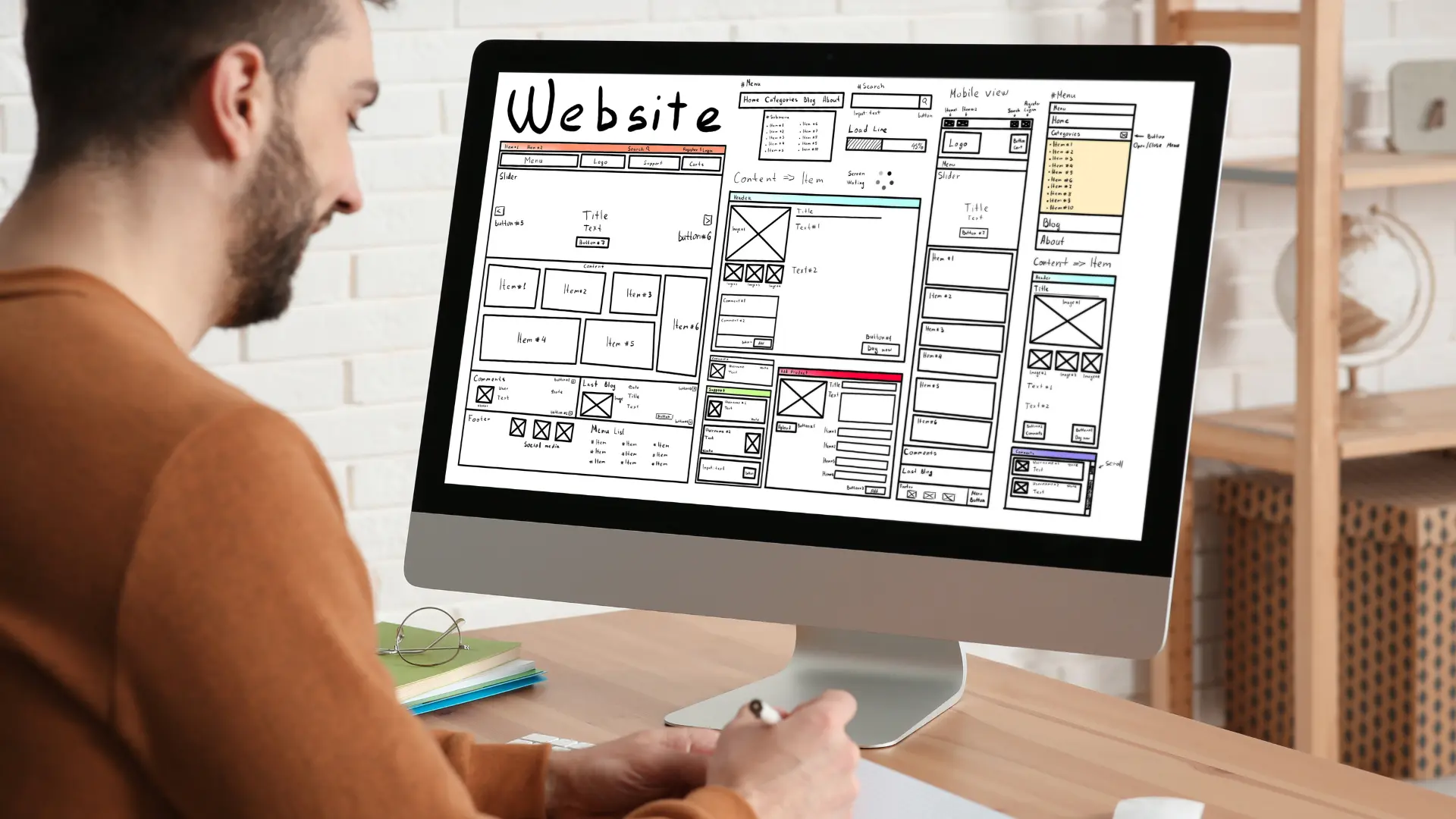
Design in 2026 isn’t just about “looking pretty.” It’s about User Experience (UX). At Web-Brew, we don’t just use basic templates; we “engineer” websites. We use tools like Figma to map out the customer journey before a single line of code is written.
Design Principles for 2026:
- Mobile-First: Over 75% of your customers will shop on their phones. Your site must be lightning-fast and easy to navigate with a thumb.
- Clean Layout: Don’t clutter the screen. Use high-quality white space to let your products breathe.
- Trust Signals: High-quality images, clear fonts, and professional branding tell the customer you are a real business.
Step 5 – Add Products to Your Store
When adding products, treat each page like a high-end showroom. You need:
- High-Resolution Images: 2026 shoppers expect to zoom in and see texture.
- Video Content: A 15-second video of the product in use can increase conversions by up to 80%.
- Clear Pricing: No hidden fees. Be upfront about costs and discounts.
Step 6 – Write SEO-Friendly Product Descriptions
In the era of AI-driven search (like Google Gemini and Search Generative Experience), your descriptions must be more than just a list of features. They need to answer the user’s intent.
Don’t just write: “Blue cotton t-shirt.” Write: “Our midnight blue organic cotton t-shirt offers a breathable, slim-fit design perfect for Chandigarh’s summer heat. Engineered for durability, it stays soft even after 50 washes.”
This approach targets Semantic SEO, helping AI search engines understand the context of what you sell, not just the keywords.
Step 7 – Set Up Payment Methods
If a customer reaches the checkout and doesn’t see their preferred payment method, they will leave. In 2026, you must offer:
- Digital Wallets: Apple Pay, Google Pay, and UPI (crucial for the Indian market).
- Credit/Debit Cards: Standard globally.
- Buy Now, Pay Later (BNPL): Services like Klarna or Afterpay.
- Crypto (Optional): Depending on your niche, accepting Bitcoin or Ethereum can attract a tech-savvy crowd.
Step 8 – Configure Shipping and Delivery Options
Shipping is where many beginners lose money. You need to decide:
- Free Shipping: Usually leads to more sales but requires you to bake the cost into the product price.
- Flat Rate: Simple and predictable for the customer.
- Real-time Carrier Rates: The site calculates the exact cost based on the customer’s location.
Ensure you have a clear Return Policy. In 2026, a transparent return process is one of the biggest factors in building long-term customer loyalty.
Step 9 – Test Your Online Store Before Launch
Never launch “cold.” You must test:
- The Checkout Flow: Does the payment actually go through?
- Mobile Responsiveness: Does the menu work on an iPhone? An Android?
- Page Speed: If it takes more than 2 seconds to load, you’re losing 50% of your visitors.
- Broken Links: Check every button and image.
Step 10 – Launch Your Online Store
Launch day is just the beginning. Once you hit “Publish,” you need to start driving traffic. This is where your marketing and SEO strategies kick in. Celebrate the milestone, but stay ready to tweak your site based on the first few hours of live user data.
Essential Tools for Running an Online Store
- Analytics: Google Analytics 4 (GA4) is non-negotiable for tracking where your money comes from.
- Email Marketing: Tools like Klaviyo or Mailchimp to bring customers back.
- Customer Support: AI chatbots for 24/7 basic queries and a ticketing system for complex ones.
- Inventory Management: Essential if you sell across multiple platforms (like Amazon and your own site).
Basic SEO Tips for Ecommerce Websites
Search Engine Optimization (SEO) in 2026 is about E-E-A-T (Experience, Expertise, Authoritativeness, and Trustworthiness).
- Use Structured Data (Schema): This tells Google exactly what your price, availability, and ratings are.
- Optimize for Voice Search: People ask, “Where can I find the best Shopify designer in Chandigarh?” Write content that answers these long-form questions.
- Blog Regularly: Don’t just sell; educate. Write about how to use your products or industry trends.
Common Mistakes Beginners Should Avoid
- Ignoring Mobile Users: This is the #1 killer of new stores.
- Bad Images: If it looks like a low-quality photo from 2010, nobody will buy it.
- Complicated Checkout: Every extra click is a chance for the customer to change their mind.
- Lack of Contact Info: If they can’t find a way to talk to you, they won’t trust you.
Tips to Promote Your Online Store
- Social Commerce: Sell directly on Instagram and TikTok.
- Influencer Partnerships: Micro-influencers in your niche often provide better ROI than big celebrities.
- Google Ads: Targeted “Shopping” ads are the fastest way to get your products in front of buyers.
- Local SEO: If you are based in a specific area, ensure you appear in local searches for your services.
Conclusion
Building an online store is a journey of a thousand steps, but the first one is always the most important. In 2026, the digital world is more competitive than ever, but it’s also more rewarding for those who do it right. You aren’t just looking for a “website”; you’re looking for a partner to help you navigate this complex landscape.
At Web-Brew, we specialize in this very transition. Whether you need a Shopify development company in Chandigarh to build a sleek storefront or a WordPress expert to engineer a custom WooCommerce solution, we are here to ensure your “Digital Home” is built to last. We focus on custom designs in Figma, ensuring your site is fast, easy to use, and uniquely yours.
_